Invisalign Treatment vs Braces: Which One Is Better for You?
2026-05-27
Choosing between Invisalign treatment and traditional braces is an important decision for anyone looking to improve their smile. Both options are effective for straightening teeth, but they differ in appearance, comfort, treatment time, and braces vs Invisalign cost.
Understanding how each treatment works can help you decide which option fits your lifestyle and dental needs best.
What Is Invisalign Treatment?
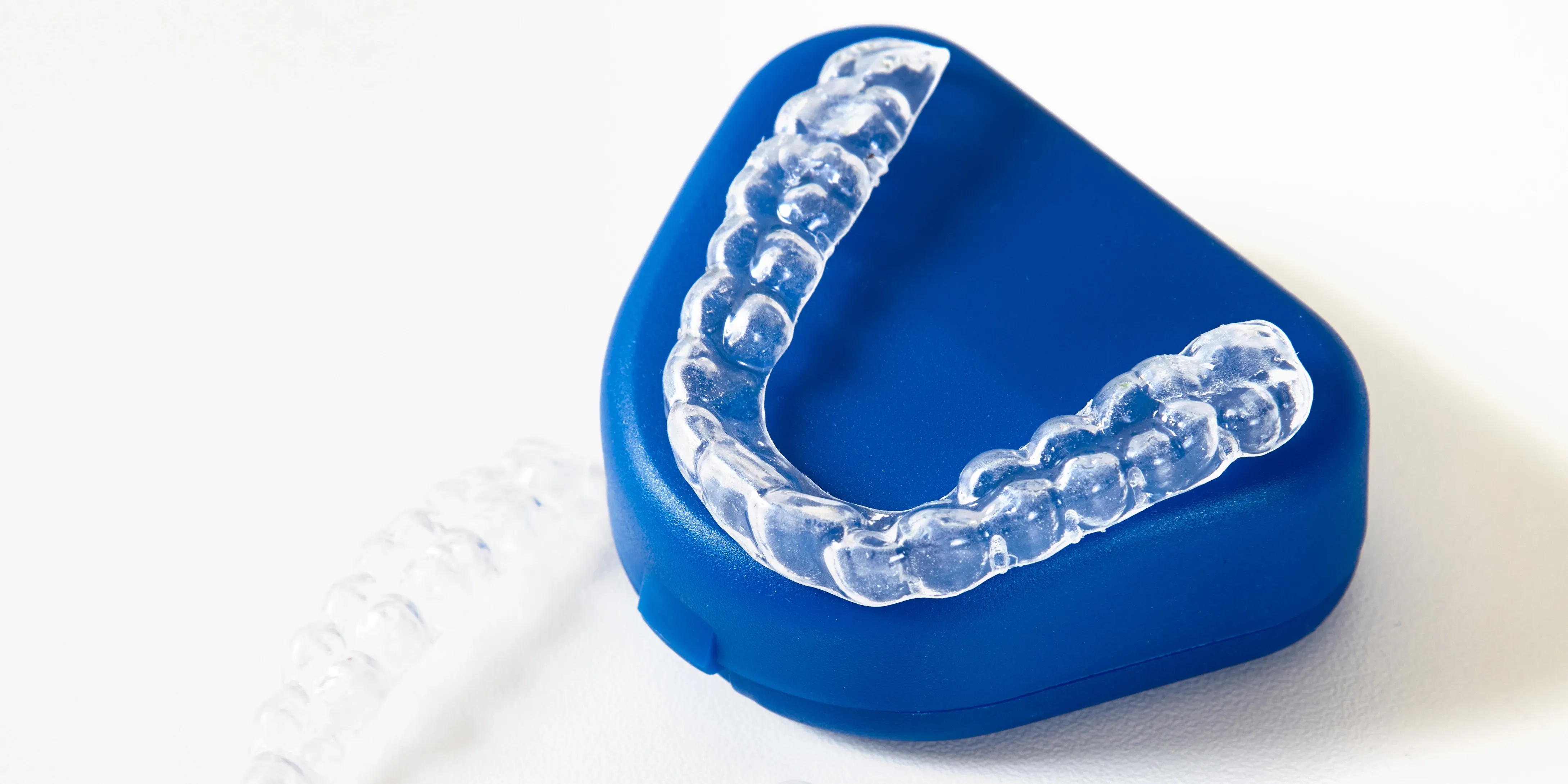
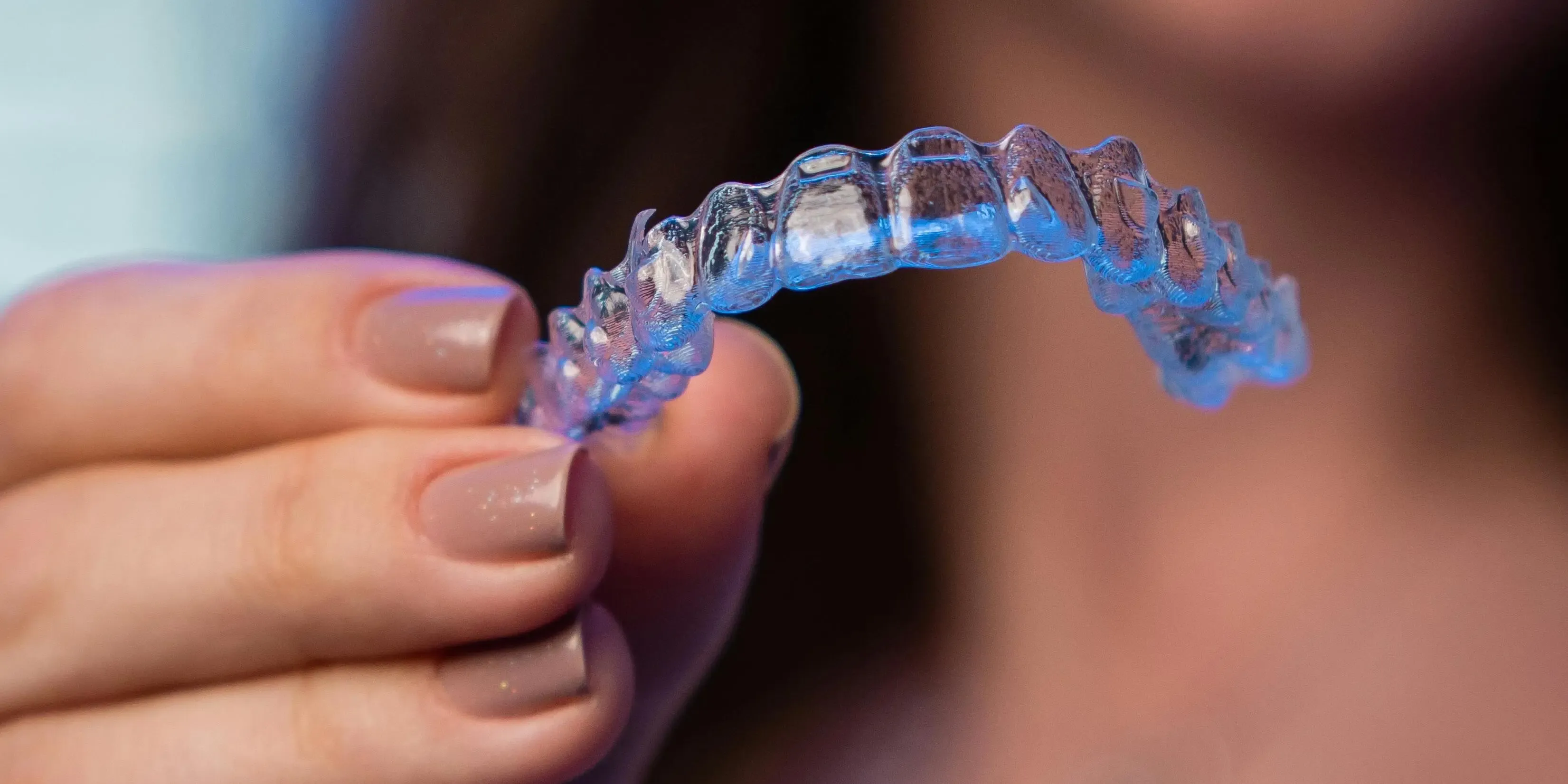
Invisalign treatment uses a series of clear, removable aligners that gradually move teeth into the correct position. These aligners are custom-made and nearly invisible, making them a popular choice for adults and teenagers.
Traditional braces use metal brackets and wires that are fixed to the teeth. They apply continuous pressure to correct more complex alignment issues and are often recommended for severe orthodontic cases.
Braces vs Invisalign Cost Comparison
When comparing cost of Invisalign vs braces, traditional braces are generally more affordable. Invisalign treatment may cost slightly more depending on case complexity and treatment duration.
Many dental clinics now offer flexible dental financing options to make treatment more affordable with monthly payments instead of upfront costs.
Patients often start with an orthodontic consultation to understand the exact cost based on their dental condition.
Invisalign vs Braces Effectiveness
Both treatments are effective, but they serve different purposes.
- Braces are better for severe crowding, bite correction, and complex cases
- Invisalign works best for mild to moderate alignment issues
When comparing Invisalign vs traditional braces, the success of Invisalign depends on wearing aligners consistently for 20–22 hours per day.
Invisalign vs Braces for Adults
Many adults prefer Invisalign treatment because it is discreet, removable, and more comfortable in daily life. It fits easily into professional and social routines without affecting appearance.
Traditional braces are still recommended for patients with more complex orthodontic needs.
Treatment Time Comparison
Patients often ask how long does Invisalign take vs braces.
- Invisalign treatment: 6–18 months
- Braces treatment: 18–36 months
The exact duration depends on the complexity of the case and patient compliance.
Frequently Asked Questions
1. How much is Invisalign vs braces?
Invisalign is usually slightly more expensive than traditional braces depending on treatment complexity.
2. How does Invisalign work vs braces?
Invisalign uses clear removable aligners, while braces use fixed brackets and wires to move teeth.
3. Is Invisalign better than braces?
It depends on your dental condition, lifestyle, and orthodontic needs.
4. How long does Invisalign take vs braces?
Invisalign may work faster for mild cases, while braces take longer for complex corrections.
5. What is the cost of Invisalign vs braces?
Costs vary based on location, orthodontist, insurance coverage, and treatment plan.
Conclusion
Invisalign treatment and traditional braces both offer effective ways to achieve a straight and healthy smile. Invisalign is ideal for patients who want a discreet and comfortable option, while braces are better for complex dental corrections.
Understanding Invisalign vs braces cost comparison and treatment differences helps you choose the right option for your smile goals and budget.
Consult with a trusted Walnut Creek dental professional to explore your options. Their expertise can guide you in making an informed choice. Remember, investing in quality dental care today ensures a beautiful, healthy smile for years to come. Your journey to improved oral health begins with the right decision. Call us now at 925-939-3421 to talk to our Dental Implants Advisor.
Resources:
How Long Does Invisalign Treatment Take? Full Timeline Explained
*This media/content or any other on this website does not prescribe, recommend, or prevent any treatment or procedure. Therefore, we highly recommend that you get the advice of a qualified dentist or other medical practitioners regarding your specific dental condition*
Subscribe To Our Newsletter
Get Updates And Learn From The Best